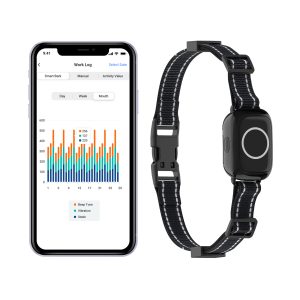
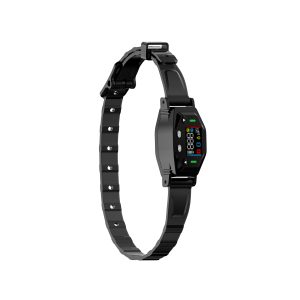
The Ultimate Guide to Training Collars for Small Dogs
Training a small dog can be challenging, especially when dealing with excessive barking. In such cases, a bark training collar can be a useful tool to help modify this behavior effectively.
Understanding Bark Training Collars
Before diving into specific collar options, it’s important to understand how bark training collars work. These collars use various methods, such as sound, vibration, or mild static pulse, to deter excessive barking in dogs.
Benefits of Bark Training Collars
Training collars provide a humane way to address barking issues without causing harm to your furry friend. They can be a valuable training aid when used correctly and consistently.
Choosing the Right Collar
When selecting a bark training collar for your small dog, consider factors like size, sensitivity levels, and the type of correction provided. It’s essential to choose a collar that suits your dog’s needs and temperament.
Tips for Successful Training
Consistency is key when using a bark training collar. Pair the collar with positive reinforcement to encourage good behavior and always supervise your dog during training sessions.
Common Misconceptions
There are misconceptions that bark training collars are cruel or harmful. However, when used responsibly and in conjunction with positive training methods, these collars can be an effective tool for behavior modification.
Final Thoughts
Training collars for small dogs can be a valuable asset in addressing barking behavior. With the right approach and consistent training, you can help your furry companion become a well-behaved and happy family member.
Remember, patience and understanding are key components of successful training. If you’re considering a bark training collar for your small dog, consult with a professional trainer to ensure you’re using it effectively and ethically.