Which Bark Control Collar Works Best for Your Dog?
When it comes to training your furry companion, a bark control collar can be a game-changer. Dogs communicate through barking, but excessive barking can become a nuisance. A bark control collar offers a humane solution to tackle this behavior. However, with a plethora of options available in the market, choosing the right collar for your dog can be overwhelming.
Types of Bark Control Collars
There are various types of bark control collars, including citronella spray collars, vibration collars, ultrasonic collars, and shock collars. Each type utilizes different methods to deter excessive barking. Understanding the pros and cons of each type is crucial in selecting the most suitable collar for your dog.
Citronella Spray Collars
Citronella spray collars are designed to release a burst of citronella scent when your dog barks excessively. Dogs typically find the smell unpleasant, which discourages them from barking. This type of collar is considered humane and effective, especially for sensitive dogs.
Vibration Collars
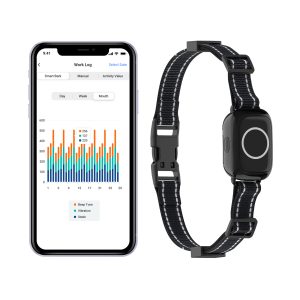
Vibration collars work by emitting a vibration when your dog barks. The vibration is mild and serves as a distraction, redirecting your dog’s attention away from barking. This type of collar is ideal for dogs that are not responsive to other deterrents.
Ultrasonic Collars
Ultrasonic collars produce a high-pitched sound that is inaudible to humans but annoying to dogs. When your dog barks, the collar emits the sound, deterring further barking. Ultrasonic collars are non-invasive and do not cause discomfort to your dog.
Shock Collars
Shock collars deliver a mild static shock to your dog when they bark excessively. While controversial, some dog owners find shock collars to be effective in stopping persistent barking. It is essential to use shock collars with caution and under the guidance of a professional trainer.
Factors to Consider When Choosing a Bark Control Collar
Before purchasing a bark control collar, consider your dog’s temperament, size, and barking frequency. It is crucial to select a collar that is appropriate for your dog’s specific needs to ensure positive results. Additionally, always consult with a veterinarian or a certified dog trainer before using a bark control collar.
The Best Bark Control Collar for Your Dog
Ultimately, the best bark control collar for your dog depends on various factors, including your dog’s behavior, sensitivity, and responsiveness to training. It is recommended to opt for humane and positive reinforcement methods when training your dog to bark less. Remember, patience and consistency are key to successfully modify your dog’s barking behavior.
Final Thoughts
Choosing the right bark control collar can make a significant difference in managing your dog’s barking. By understanding your dog’s needs and selecting a collar that aligns with those needs, you can effectively train your dog to bark less while maintaining a healthy and happy relationship.