1. Confirm Product Specifications and Requirements
Before testing, verify that the sample matches the agreed requirements. Check the model, functions, accessories, packaging contents, and any requested customization, including branding, color, and product configuration.
For OEM projects, confirming these details early helps prevent misunderstandings and unnecessary revisions. Wellturn’s OEM process includes product selection, confirmation of branding and configuration, and sample review before production planning.
2. Test Core Functions and Performance
A product’s appearance alone cannot determine whether it meets customer expectations. Buyers should test its main functions according to the product type and intended use.
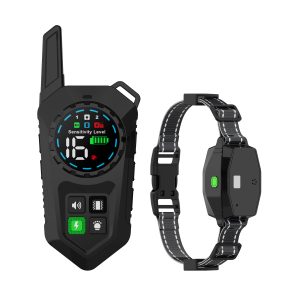
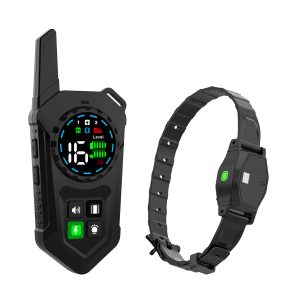
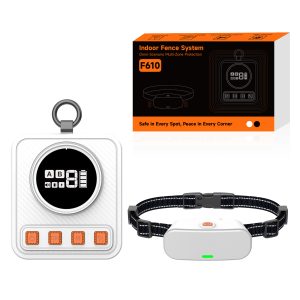
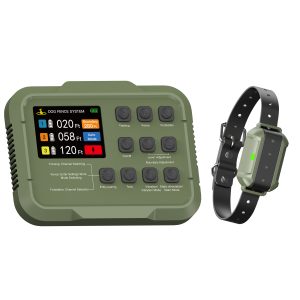
For electronic pet fences, check boundary settings, warning functions, positioning performance, and ease of operation. For remote trainers, verify remote response and function switching. For bark control devices, check triggering methods, sensitivity settings, and operating modes.
Conduct tests under safe, controlled conditions and follow the manufacturer’s instructions. Record results, identify issues, and clarify any performance requirements that need further verification.
3. Inspect Build Quality and Durability
Examine the product’s materials, structure, and workmanship. Check for visible defects, loose connections, responsive buttons, functional ports, and secure attachments. For wearable products, consider fit, adjustability, and comfort.
For products intended for outdoor use, verify relevant durability and water-resistance claims using appropriate test methods. Do not rely on appearance alone to judge whether a product meets its stated protection rating.
Wellturn describes a quality management process covering incoming inspection, production control, finished-product checks, aging tests, and outgoing sampling. Buyers should confirm the applicable tests and acceptance criteria for their selected model.
4. Verify Packaging, Compliance, and Sample Approval
Before approving a sample, review the packaging, labels, user manual, and accessory list. Confirm that branding, language, and product information meet the requirements of the intended sales channel and target market.
Check which compliance documents apply to the specific model and destination market. Requirements such as CE RED, RoHS, and FCC vary by product and market, so relevant documentation should be verified rather than assumed.
Finally, document any issues, requested revisions, and agreed acceptance criteria. If a sample fails an important test, clarify the corrective action and determine whether a revised sample or additional testing is necessary before mass production.
Sample Evaluation Checklist
| Checkpoint | What to Verify |
| Specifications | Model, functions, accessories, and configuration |
| Performance | Core functions and intended use |
| Quality | Materials, workmanship, and relevant durability requirements |
| Packaging | Branding, labels, manuals, and contents |
| Compliance | Applicable documents for the selected model and market |
| Approval | Issues resolved and final requirements confirmed |
Discuss Your Pet Product Project with Wellturn
Wellturn specializes in electronic pet product development and manufacturing, including electronic pet fences, remote trainers, and bark control products, with OEM/ODM cooperation options.
If you are evaluating pet product samples or developing a private-label product, complete the inquiry form below and share your product category, target market, required functions, and customization needs. The Wellturn team can discuss suitable products, sample evaluation, and potential cooperation based on your project requirements.