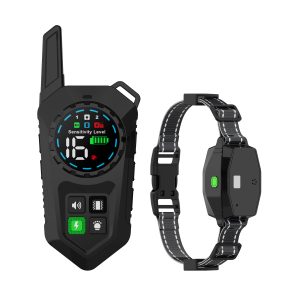
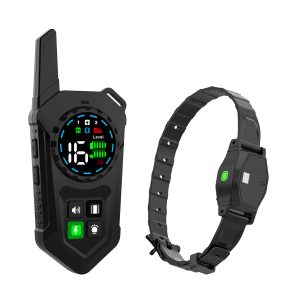
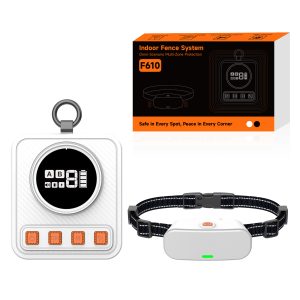
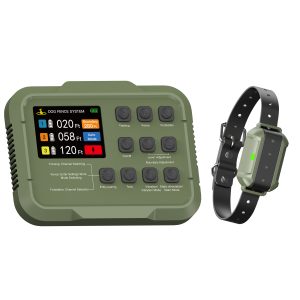
For pet brands, importers, distributors, and retailers, requesting a quotation involves more than asking for a unit price. Product specifications, order quantity, customization, quality standards, and delivery conditions can all affect the final cost and project feasibility. If these details are missing, suppliers may quote different configurations, making their offers difficult to compare.
Before contacting manufacturers, prepare the following four areas of information.
1. Define Product Specifications and Requirements
Start by identifying the product you want to source and the requirements it needs to meet. For pet electronic products, such as electronic dog fences, remote training collars, and bark control collars, a product name alone may not provide enough information.
*Include relevant details such as:
Product Type: Product category and model, if already selected.
Key Functions: Required features, operating modes, and essential functions.
Target Users: Intended pet types, sizes, and usage scenarios.
Technical Requirements: Battery life, waterproof rating, signal technology, and operating methods, where relevant.
Reference Materials: Product images, links, technical documents, or samples of similar products.
If you have not selected a model, describe the intended use, key functions, and target market positioning. A manufacturer may then recommend suitable options. Clear requirements help suppliers assess whether an existing product meets your needs or whether modifications are necessary.
2. Specify Order Quantity and Customization Needs
Order volume and customization scope are key factors in pricing, MOQ, and production planning. State your estimated quantity and, where possible, distinguish the initial order from potential repeat orders.
*Your RFQ should clarify:
Estimated Order Quantity: Expected volume and whether orders will be placed in batches.
MOQ Requirements: Any specific minimum-order expectations.
Branding: Logo, product appearance, and other brand elements.
Product Customization: Requested changes to color, functions, configuration, or other details.
OEM/ODM Requirements: Whether you want to customize an existing product or develop a new one.
If you are building your own brand, share its positioning and target market. This helps the manufacturer assess whether the proposed product and customization options are appropriate. If some details are undecided, separate essential requirements from optional preferences so suppliers can evaluate alternatives.
3. Clarify Quality Standards and Market Requirements
Requirements can vary by destination market and product type. Identify where the products will be sold and specify any relevant regulations, testing, or quality expectations at the quotation stage.
*Consider including:
Target Market: Countries or regions where the products will be sold.
Compliance Requirements: Applicable regulations, certifications, or testing requirements.
Quality Standards: Expectations for performance, materials, durability, and protection ratings.
Testing and Inspection: Whether you require test reports, sample evaluation, in-process checks, or pre-shipment inspection.
For electronic pet products, buyers may also need to consider batteries, wireless communication, waterproof performance, and electrical safety. Applicable requirements depend on the product and market, so confirm the exact standards and supporting documents with the manufacturer. Discussing these points early can help reduce compliance issues later.
4. Include Packaging, Delivery, and Quotation Details
Packaging and delivery conditions affect the total purchasing cost and order arrangements. Without this information, suppliers may provide only a preliminary quote based on standard assumptions.
*Specify:
Packaging: Retail boxes, shipping cartons, custom packaging, or other formats.
Labels and Documents: Product labels, user manuals, barcodes, and other required materials.
Delivery Destination: Destination country, city, or port.
Shipping Terms: Preferred Incoterms, such as EXW or FOB.
Timeline: Expected sample approval, production, and delivery dates.
You can also ask suppliers to itemize the quotation, including unit price, sample fees, customization or development costs, packaging costs, and estimated production lead time, where applicable. This makes supplier offers easier to compare and helps identify costs or timing issues before placing an order.
Prepare a Clear RFQ Before Contacting Manufacturers
An RFQ does not need to contain every technical detail from the start. It should, however, give suppliers a clear picture of your purchasing goals, product requirements, expected quantity, and cooperation needs. Mark undecided items as open for discussion so manufacturers can suggest practical options.
*Use this checklist before sending your inquiry:
| RFQ Information | Key Details |
| Product Requirements | Product type, functions, specifications, and references |
| Order Quantity | Estimated volume and order plan |
| Customization | Branding, product changes, and OEM/ODM needs |
| Quality & Compliance | Target market, standards, and testing requirements |
| Packaging | Packaging format, labels, and manuals |
| Delivery | Destination, Incoterms, and timeline |
| Quotation | Unit price, additional costs, and production lead time |
For buyers sourcing pet electronic products or seeking an OEM/ODM partner, preparing these details in advance helps manufacturers evaluate the project and provide more relevant recommendations and quotations.
Wellturn specializes in pet electronic products and OEM/ODM solutions. If you are planning a new product purchase or developing your own brand, complete the inquiry form below with your requirements and purchasing plans to discuss potential cooperation with our team.