Exploring the Effectiveness of Wireless Dog Fences
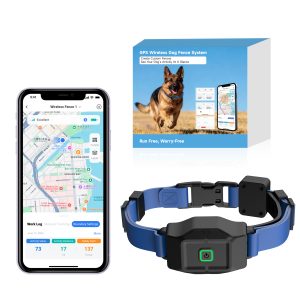
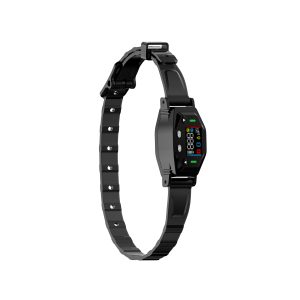
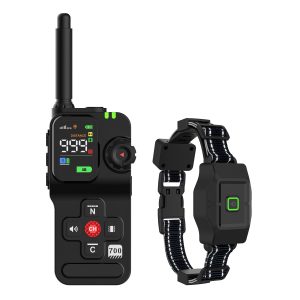
Wireless dog fences have gained popularity in recent years as a convenient solution to keep your furry friend safe and secure. These fences work by using a transmitter to define boundaries for your pet, delivering a correction signal through a receiver on the dog’s collar when they approach the designated perimeter.
One of the key benefits of wireless dog fences is their flexibility and easy setup compared to traditional physical fences. They are particularly useful for households where traditional fencing is not feasible due to terrain or restrictions.
However, the effectiveness of wireless dog fences can vary depending on various factors such as the size and temperament of the dog, the training provided, and the environment in which they are used. Some dogs may quickly learn the boundaries and respond well to the training, while others may struggle to understand the system.
It’s essential to carefully introduce your dog to the wireless fence system, providing proper training and reinforcement to ensure they understand the boundaries and the consequences of crossing them. Consistent training and positive reinforcement are crucial for the success of these systems.
While wireless dog fences can be effective for many pet owners, they are not a one-size-fits-all solution. It’s essential to consider your specific circumstances and your dog’s behavior before deciding if a wireless fence is the right choice.
Ultimately, the effectiveness of a wireless dog fence comes down to proper implementation, training, and ongoing supervision. When used correctly, these systems can provide a safe and reliable way to give your dog the freedom to roam within set boundaries.