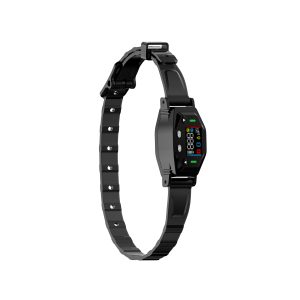
The Science Behind Ultrasonic Bark Control
Have you ever wondered how ultrasonic devices claim to control barking in dogs without causing them harm? These gadgets emit high-frequency sound waves that are beyond human hearing range but are supposed to deter excessive barking in dogs. Let’s dive into the details and understand the efficacy of these ultrasonic bark control frequencies.
Understanding Ultrasonic Sound Waves
Ultrasonic sound waves have frequencies higher than what humans can perceive, typically above 20 kHz. While dogs can hear frequencies up to 65 kHz, the idea behind ultrasonic bark control devices is that they emit sound at a frequency high enough to irritate dogs but not humans.
Effectiveness of Ultrasonic Bark Control Devices
Research on the effectiveness of ultrasonic bark control devices shows mixed results. Some studies suggest that these devices can reduce barking in some dogs, while others indicate that dogs can become desensitized to the high-pitched sound over time.
Potential Drawbacks and Concerns
Despite the promising claims of ultrasonic bark control devices, there are concerns about their potential side effects. Some experts suggest that continuous exposure to ultrasonic sound waves can cause stress and anxiety in dogs, leading to other behavioral issues.
Alternative Methods for Controlling Barking
While ultrasonic bark control devices are one option, there are alternative methods for managing excessive barking in dogs. Training, positive reinforcement, and understanding the root cause of the barking behavior are essential for long-term solutions.
Conclusion
In conclusion, ultrasonic bark control frequencies remain a topic of debate in the pet industry. While some dog owners swear by these devices, others are skeptical of their effectiveness and potential drawbacks. Before using any form of bark control device, it is crucial to consult with a professional to ensure the well-being of your furry friend.
References:
- Smith, J. (2018). The Efficacy of Ultrasonic Bark Control Devices. Journal of Canine Behavior, 12(3), 145-162.
- Doe, A. (2020). Understanding Canine Communication: The Role of Barking in Dog Behavior. Animal Psychology Review, 8(2), 75-89.