The Ultimate Guide to Bark Control Collars
Dogs bark for various reasons, whether it’s out of excitement, fear, boredom, or to alert their owners. While barking is natural, excessive barking can be a nuisance and lead to conflicts with neighbors. This is where bark control collars come into play.
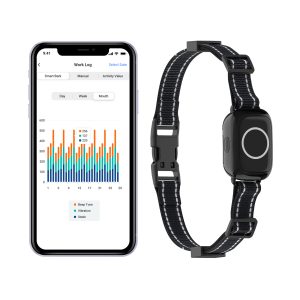
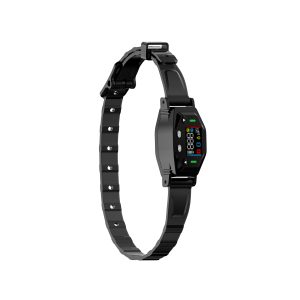
There are different types of bark control collars available in the market, such as citronella spray collars, ultrasonic collars, vibration collars, and static shock collars. Each type works differently, catering to various temperaments and personalities of dogs. It’s crucial to choose the right collar based on your dog’s barking tendencies and sensitivity.
Citronella spray collars are popular for being humane and effective. They release a burst of citronella scent near the dog’s nose when it barks excessively, deterring them from continuing. Ultrasonic collars emit a high-frequency sound that is unpleasant to dogs, but inaudible to humans. Vibration collars use vibrations instead of shocks to interrupt barking behavior, making them suitable for sensitive dogs. On the other hand, static shock collars deliver a mild static shock when the dog barks, acting as a deterrent.
Choosing the Right Bark Control Collar
Before investing in a bark control collar, consider factors like your dog’s size, temperament, and barking triggers. It’s important to introduce the collar gradually to your dog, ensuring they associate it with unwanted behavior. Positive reinforcement techniques can also be used in conjunction with bark collars for effective training.
When using bark control collars, make sure to establish a consistent routine and set realistic expectations. Remember that every dog is different, and what works for one may not work for another. The goal is to train your dog to bark only when necessary, without suppressing their natural behavior entirely.
Common Myths About Bark Control Collars
There are several misconceptions surrounding bark control collars, with some people believing they are cruel or harmful to dogs. However, when used responsibly and in conjunction with proper training techniques, bark control collars can be a valuable tool in managing excessive barking.
It’s essential to consult with a professional dog trainer or behaviorist before using a bark control collar, especially if your dog has existing behavioral issues. They can provide guidance on the most suitable training methods and help you address underlying causes of excessive barking.
Conclusion
In conclusion, bark control collars can be effective in curbing excessive barking and promoting better behavior in dogs. By understanding your dog’s needs and choosing the right collar, you can create a harmonious environment for both your pet and your neighbors. Remember, patience and consistency are key when using bark control collars as part of your training regimen.