Understanding Bark Control Devices: How They Work and Impact on Neighbors
In the realm of pet ownership, excessive barking can be a common issue among dog owners, prompting the need for bark control devices. These devices operate on various principles to manage and reduce a dog’s barking habits. While they can be effective tools, the impact they have on neighbors is a critical consideration.
Ultrasonic bark control devices emit a high-pitched sound that is inaudible to humans but can deter dogs from barking. This non-invasive method is popular among pet owners looking for a gentle way to address barking behavior.
On the other hand, citronella bark collars release a burst of citronella spray near the dog’s nose when it barks excessively. This method is based on the aversion dogs have to the smell of citronella, aiming to discourage barking through negative reinforcement.
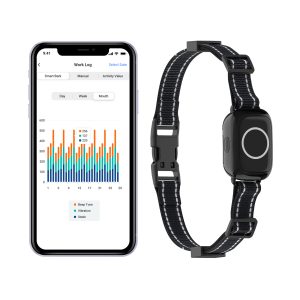
Another type of bark control device is the vibration collar, which delivers a vibration to the dog’s neck when it barks. This approach is designed to startle the dog momentarily, interrupting the barking behavior without causing harm.
While these devices can be effective in addressing barking problems, their impact on neighbors should not be overlooked. Constant exposure to ultrasonic sounds or citronella spray might disturb neighboring households, leading to potential conflicts.
It is essential for pet owners to use bark control devices responsibly, considering the sensitivity of neighbors to any disruptions caused by these tools. Proper training and positive reinforcement techniques should complement the use of bark control devices to ensure a harmonious relationship with both pets and neighbors.