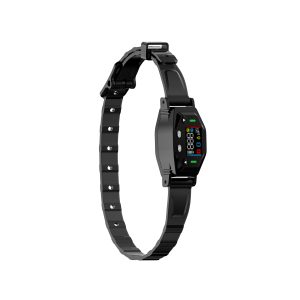
Exploring the Efficiency of Wireless Dog Fences
Wireless dog fences have become a popular choice for pet owners seeking to contain their furry companions within a designated area without the need for physical barriers. But how effective are these invisible fences in reality?
Advocates of wireless dog fences applaud their convenience and affordability. Unlike traditional fences, wireless alternatives offer flexibility and easy installation, making them an attractive option for many pet owners. However, concerns linger regarding their reliability and safety.
Proponents argue that wireless dog fences effectively train pets to stay within boundaries through a series of audible warnings and mild corrections. These systems provide pets with the freedom to roam while keeping them secure within set limits.
Despite these benefits, critics raise questions about the consistency of these systems. Factors like weather conditions, terrain, and interference can impact the signal, potentially allowing pets to breach boundaries and jeopardize their safety.
Ultimately, the efficiency of wireless dog fences hinges on various variables, including proper installation, training, and maintenance. Pet owners must weigh the advantages of convenience against the potential drawbacks to make an informed decision for their furry friends.
Whether wireless dog fences work effectively or not remains a subject of debate among pet owners. By considering the unique needs of their pets and the specific circumstances of their environment, individuals can determine if these invisible boundaries are the right choice for their furry companions.