How Does Ultrasonic Bark Control Affect Birds?
Birds are fascinating creatures that play a crucial role in our ecosystem. However, the use of ultrasonic bark control devices raises questions about their impact on our feathered friends. Let’s delve into the potential effects of these devices on birds.
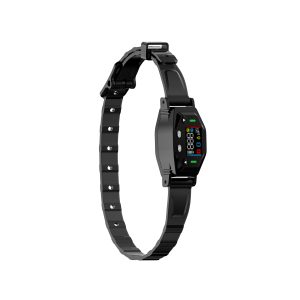
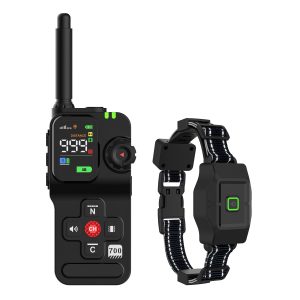
Ultrasonic bark control devices emit high-frequency sounds that are inaudible to humans but are supposed to deter excessive barking in dogs. While these devices are designed to target canines, their sound emissions can also affect other animals, including birds.
One concern is that the ultrasonic frequencies emitted by these devices could disturb birds’ communication patterns. Birds rely on vocalizations to communicate with each other, establish territories, and find mates. If these frequencies interfere with their ability to communicate, it could disrupt their natural behaviors.
Another issue is the potential for ultrasonic bark control devices to cause stress or discomfort to birds. While the sounds may not be harmful per se, they could still be perceived as a threat, leading to increased stress levels among avian populations in the vicinity of these devices.
Furthermore, there is limited research on the long-term effects of ultrasonic devices on birds. As such, it is essential to consider the impact of these devices on the overall well-being of bird populations in urban and suburban environments.
In conclusion, the use of ultrasonic bark control devices may have unintended consequences on bird species. As responsible stewards of the environment, we must carefully assess the potential effects of these devices on our avian friends and take steps to mitigate any negative impacts.
Remember, when considering bark control options, always prioritize the well-being of all creatures, great and small.