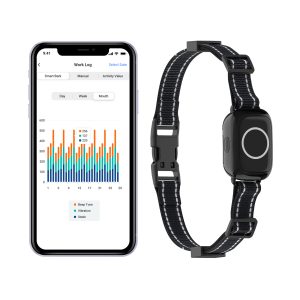
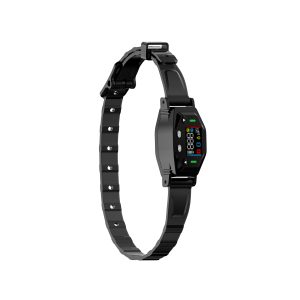
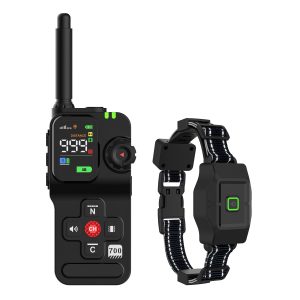
The Science Behind Ultrasonic Bark Control Devices
Ultrasonic bark control devices have gained popularity in recent years as a solution to excessive barking in dogs. The technology behind these devices is intriguing, utilizing sound frequencies that are inaudible to humans but irritating to dogs. But how exactly do these devices work, and are they effective in curbing unwanted barking?
When a dog barks, the ultrasonic device emits a high-pitched sound that is bothersome to the canine but goes unnoticed by human ears. This sound acts as a deterrent, interrupting the dog’s barking behavior and encouraging silence. The theory is that the dog will learn to associate its barking with the unpleasant sound and eventually stop the behavior altogether.
One key aspect to consider is the range and coverage of these devices. Some ultrasonic bark control units have a limited reach, making them suitable for indoor use or small outdoor areas. Others are designed to cover larger yards or multiple dogs, providing a more comprehensive solution to excessive barking.
It’s essential to note that while ultrasonic bark control devices can be effective for some dogs, they may not work for all. Factors such as the dog’s hearing sensitivity, temperament, and the underlying cause of the barking behavior can impact the device’s success. Additionally, consistency in training and using the device correctly are crucial for long-term results.
In conclusion, ultrasonic bark control devices offer a non-invasive and humane way to address excessive barking in dogs. By understanding the science behind these devices and their limitations, pet owners can make an informed decision on whether this technology is suitable for their furry companions.