Dog Fence Solutions: Wired vs. Wireless
Are you torn between choosing a wired or wireless dog fence for your furry friend? As a pet owner, ensuring the safety of your dog while still giving them the freedom to roam can be a tough decision. Let’s explore the differences between wired and wireless dog fences to help you make an informed choice.
Wired Dog Fences: The Traditional Choice
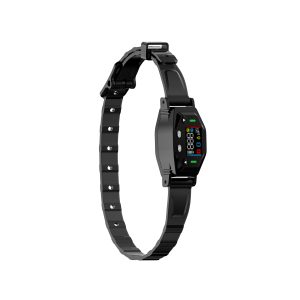
Wired dog fences are a popular choice for many pet owners due to their reliability and effectiveness. These fences consist of a boundary wire that is buried underground, creating a defined perimeter within which your dog can safely roam. The boundary wire is connected to a transmitter, which emits a signal to your dog’s collar if they approach the boundary.
One of the key advantages of a wired dog fence is that it offers a customizable boundary that can be tailored to your specific yard size and shape. This makes it an ideal choice for larger properties or irregularly shaped yards. Additionally, wired fences are known for their consistency and reliability, ensuring that your dog stays within the designated area.
Wireless Dog Fences: The Modern Alternative
On the other hand, wireless dog fences have gained popularity in recent years for their convenience and ease of installation. Instead of burying a boundary wire, wireless fences operate using a central transmitter that emits a circular signal around your property. When your dog approaches the perimeter, their collar receives a warning signal or mild correction to deter them from crossing the boundary.
Wireless dog fences are ideal for pet owners looking for a simple and portable solution. They can be set up quickly and easily, making them a great option for renters or those who frequently move residences. However, it’s important to note that wireless fences may be affected by signal interference or obstacles in the environment, potentially leading to inconsistencies in the boundary.
Choosing the Right Fence for Your Dog
When deciding between a wired and wireless dog fence, there are several factors to consider. The size and layout of your yard, your dog’s temperament and behavior, and your own preferences all play a role in determining which type of fence is best for your needs. Ultimately, both wired and wireless dog fences offer unique benefits and drawbacks, so it’s essential to assess your individual situation before making a decision.
Whether you opt for the reliability of a wired dog fence or the convenience of a wireless one, the most important thing is to prioritize your dog’s safety and well-being. With the right fence in place, you can give your furry companion the freedom to explore while ensuring they stay out of harm’s way.
Final Thoughts
Before choosing between a wired and wireless dog fence, take the time to evaluate your specific requirements and consider what will work best for you and your dog. Both types of fences have their advantages, so weigh the pros and cons carefully before making a decision. Remember, the goal is to create a safe and secure environment for your beloved pet to thrive in.