How to Adjust Dog Training Collars for Optimal Effectiveness
Training collars for dogs are a valuable tool when used correctly. When it comes to tightening a dog training collar, many dog owners are unsure of the appropriate fit. Finding the right balance between too loose and too tight is crucial in ensuring the collar’s effectiveness without causing discomfort to your furry friend.
First and foremost, it is essential to understand the purpose of the training collar. The collar should be snug enough to ensure that the electrodes make contact with the dog’s skin but not so tight that it causes any pain or discomfort. Remember, the goal is to correct behavior, not harm your pet.
One common mistake that dog owners make is leaving the collar too loose. If the collar is not fitted securely, it may not deliver the correction effectively. On the other hand, a collar that is too tight can cause skin irritation, discomfort, and even injury to your dog.
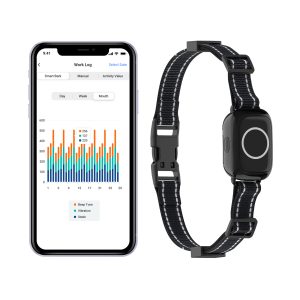
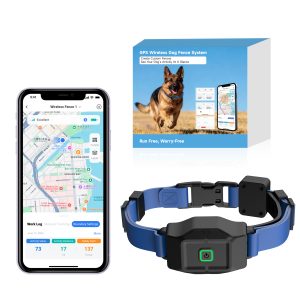
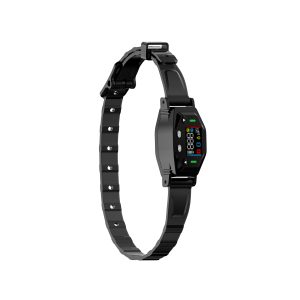
So, how tight should a dog training collar be? The correct fit will vary depending on the type of collar you are using. For example, with a prong collar, you should ensure that it sits high up on the dog’s neck, just behind the ears. You should be able to slip two fingers comfortably under the collar. If you are using an electronic collar, make sure it is snug against the skin without being too constricting.
When fitting a training collar, always monitor your dog’s behavior and adjust the fit as needed. If you notice any signs of discomfort or distress, immediately loosen the collar. Regularly check your dog’s neck for any signs of irritation, and never leave the collar on for extended periods.
Remember, a properly fitted training collar can be an effective tool in shaping your dog’s behavior. By finding the right balance between snugness and comfort, you can help your furry friend learn and grow while keeping them safe and happy.