The Bark Busters: Ultimate Guide to Controlling Your Dog’s Barking Behavior
Dog barking can be a nuisance that disrupts the peace and harmony of your home and neighborhood. As a responsible pet owner, it’s essential to address this behavior effectively while ensuring your furry friend’s well-being.
In this comprehensive guide, we will explore various methods and techniques to control your dog’s barking behavior. From understanding the root causes of excessive barking to implementing training exercises and using the latest bark control devices, we’ve got you covered.
Understanding Your Dog’s Barking
Before diving into solutions, it’s crucial to understand why your dog is barking excessively. Dogs bark for various reasons, including territorial protection, boredom, anxiety, attention-seeking, or simply as a form of communication.
By identifying the triggers for your dog’s barking, you can tailor your approach to address the specific cause effectively. For instance, if your dog barks out of boredom, increasing exercise and mental stimulation can help reduce this behavior.
Training Techniques for Bark Control
Positive reinforcement training is one of the most effective ways to modify your dog’s behavior. Rewarding your dog for desired behaviors, such as quietness or calmness, can encourage them to exhibit those behaviors more frequently.
Additionally, desensitization and counterconditioning techniques can be useful for dogs who bark due to fear or anxiety triggers. By gradually exposing your dog to these triggers in a controlled environment, you can help them become less reactive over time.
Utilizing Bark Control Devices
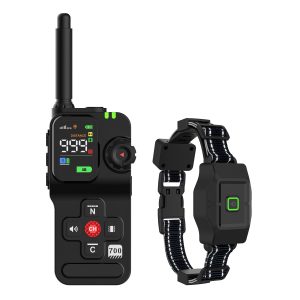
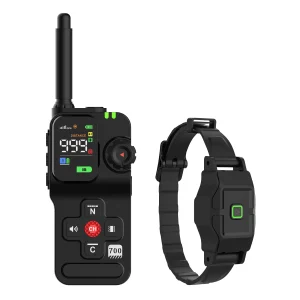
For persistent barking issues, you may consider using bark control devices such as ultrasonic sound emitters, vibration collars, or citronella spray collars. These devices can help interrupt your dog’s barking patterns and discourage unwanted behavior.
It’s essential to choose the right bark control device based on your dog’s temperament and the underlying cause of their barking. Consulting with a professional trainer or veterinarian can help you make an informed decision on selecting the most suitable device.
Consistency Is Key
Remember, consistency is key when it comes to modifying your dog’s barking behavior. Implementing a structured training plan and staying patient throughout the process is essential for long-term success.
With dedication, patience, and a proactive approach, you can effectively control your dog’s barking behavior and create a peaceful environment for both your pet and your household.