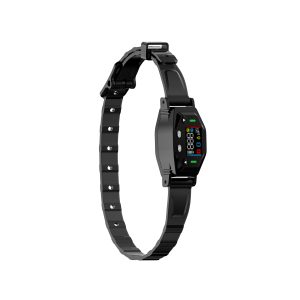
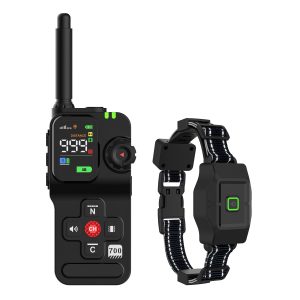
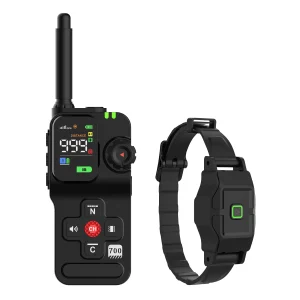
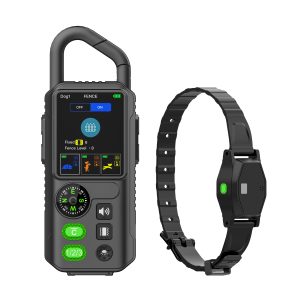
The Ultimate Guide to Handheld Ultrasonic Bark Control Devices
Dogs bark—that’s what they do. However, excessive barking can be annoying not only to you but also to your neighbors. Traditional training methods might not always be successful in curbing this behavior, which is where modern technology comes into play with handheld ultrasonic bark control devices.
These innovative gadgets emit a high-pitched sound when triggered by a dog’s bark, which is inaudible to human ears but acts as a deterrent to the dog. But how effective are these devices, and do they harm or stress our furry friends?
The Science Behind Ultrasonic Bark Control
Ultrasonic sound waves have been used for various applications over the years, including pest control and medical imaging. When it comes to bark control devices, the theory is simple—the unpleasant sound interrupts the barking pattern, gradually conditioning the dog to associate barking with discomfort.
Most handheld ultrasonic bark control devices offer different sensitivity levels and ranges, allowing you to tailor the training to your dog’s specific needs. However, it’s essential to use these devices responsibly and never as a substitute for proper training and care.
Benefits and Limitations
The primary advantage of handheld ultrasonic bark control devices is their non-invasive nature. Unlike shock collars or other more intrusive training methods, these gadgets work by redirecting the dog’s behavior without causing harm. They can be particularly useful for pet owners living in noisy neighborhoods or those with sensitive hearing.
On the flip side, some critics argue that these devices may not work for all dogs, especially those with hearing impairments or those that are highly motivated to bark. Like any training tool, results can vary, and consistency is key to success.
Choosing the Right Device
Before investing in a handheld ultrasonic bark control device, research is crucial. Look for devices with positive user reviews and features that align with your training goals and your dog’s temperament. Consider consulting a professional dog trainer to get recommendations tailored to your specific situation.
Remember, while these devices can be a helpful training aid, they are just one piece of the puzzle. Positive reinforcement, exercise, and mental stimulation are essential components of a well-rounded training regimen.
Final Thoughts
Handheld ultrasonic bark control devices have the potential to be valuable tools in your training arsenal, but they are not a one-size-fits-all solution. Understanding your dog’s behavior, being patient, and using a combination of training methods will yield the best results.
Ultimately, the goal is to build a strong bond with your pet based on trust and respect. With the right approach, you can enjoy a peaceful coexistence with your furry companion while addressing unwanted barking behavior.