Remote Dog Training Techniques for Educators
Remote dog training has become increasingly popular among educators given the flexibility it provides in guiding and teaching dogs. The advancements in technology have made it easier for educators to train dogs effectively. Here, we will explore some cutting-edge remote dog training techniques that educators can implement:
1. Virtual Training Sessions
Conducting virtual training sessions allows educators to demonstrate commands, behavior corrections, and interactive games to train dogs remotely. Utilizing video conferencing tools, educators can observe the dog’s behavior in real-time and provide immediate feedback to the owners.
2. Interactive Training Apps
There are numerous interactive training apps available that offer step-by-step guides, training schedules, and progress tracking. Educators can recommend these apps to dog owners to reinforce training techniques and monitor progress even when physically distanced.
3. Remote Controlled Training Devices
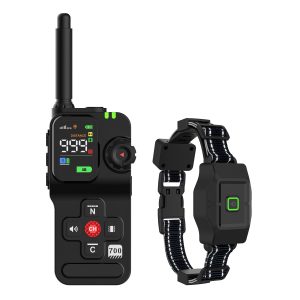
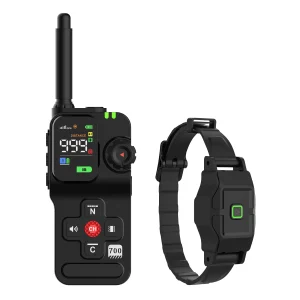
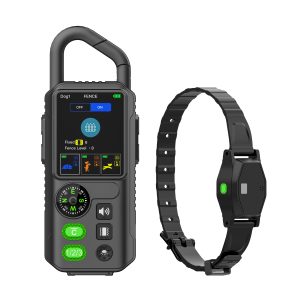
Remote controlled training devices such as treat dispensers, clickers, and vibrating collars can be used by educators to remotely reinforce positive behavior in dogs. These devices allow educators to deliver rewards and corrections from a distance, making training more efficient.
4. Online Training Courses
Enrolling in online training courses provides educators with the latest training methodologies and techniques. By sharpening their skills through online learning, educators can better assist dog owners in training their pets effectively.
5. Behavior Tracking Software
Using behavior tracking software, educators can monitor the progress of each dog’s training journey. This data-driven approach helps educators identify areas that need improvement and tailor training strategies accordingly.
6. Virtual Reality Training Simulations
Virtual reality training simulations offer a unique way for educators to immerse themselves in various training scenarios. By simulating real-life training situations, educators can practice their skills and perfect their training techniques.
7. Remote Consultations and Support
Offering remote consultations and support to dog owners allows educators to address training concerns promptly. By providing personalized guidance and troubleshooting tips remotely, educators can ensure that dogs receive consistent and effective training.
In conclusion, remote dog training offers a modern and effective approach for educators to empower dog owners in training their beloved pets. By embracing technology and innovative training methods, educators can make a positive impact on the lives of dogs and their owners.