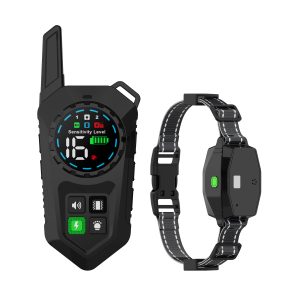
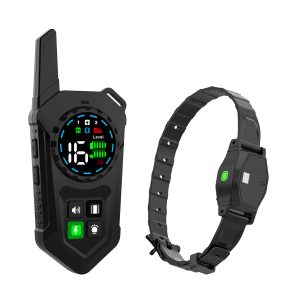
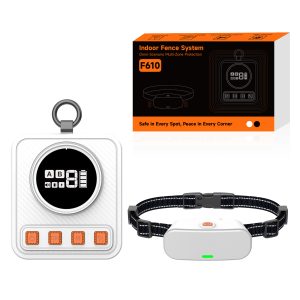
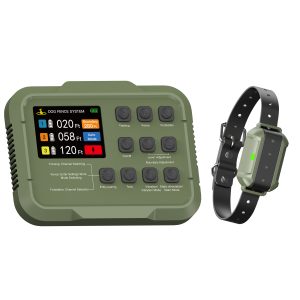
Different countries have different requirements for product safety, electromagnetic compatibility, wireless communication, and restricted substances. For products such as electronic dog fences, remote training collars, and bark control collars, buyers should understand which certifications and compliance documents are relevant before placing bulk orders.
1. Understand the Main Compliance Requirements
Three commonly referenced compliance areas for electronic pet products include:
*CE Marking: Indicates that a product complies with applicable EU legislation. For products with wireless functions, relevant radio equipment requirements may also apply.
*RoHS: Restricts the use of certain hazardous substances, such as lead, mercury, and cadmium, in electrical and electronic equipment.
*FCC: Applies to relevant radio frequency devices in the United States, with requirements covering electromagnetic emissions and equipment authorization.
These requirements are not interchangeable, and not every pet product needs all three. Their applicability depends on the product type, technical specifications, and destination market.
2. Identify Requirements Based on Product Type
Different electronic pet products may have different compliance considerations.
For example, GPS dog fences and wireless remote training collars involve radio communication functions. Buyers should therefore check applicable requirements for radio frequency performance, electromagnetic compatibility, and product safety.
Other electronic products, such as bark control collars, may require additional attention to battery safety, charging methods, and electrical components.
For non-electronic pet products, the focus may instead be on material safety, chemical restrictions, and product labeling.
The key is to evaluate each product individually. A document provided for one model should not automatically be considered valid for another model with different specifications or components.
3. Verify Certificates and Test Reports
Receiving compliance documents from a supplier is only the first step. Buyers should check whether the documents actually cover the products they intend to purchase.
Consider the following points:
*Product Model: Does the document identify the exact model being purchased?
*Applicable Standards: Are the referenced standards relevant to the product and destination market?
*Document Scope: Does the document cover the complete product or only a specific component?
*Supporting Reports: Can the supplier provide relevant test reports or declarations of conformity?
*Product Consistency: Does the documented configuration match the product intended for mass production?
For OEM and ODM projects, this review is particularly important. Changes to wireless modules, batteries, or key components may affect whether existing compliance documentation remains applicable.
4. Confirm Compliance Before Mass Production
Compliance requirements should be discussed during the early stages of product development, rather than being left until shipment.
Before approving samples or placing a bulk order, buyers should clarify:
*Which countries or regions will the product be sold in?
*Which regulations and standards apply to the selected model?
*What existing compliance documents can the supplier provide?
*Are additional tests required, and what are the associated costs and timelines?
*Could design changes require further testing or updated documentation?
Confirming these details early helps reduce delays caused by missing documents or overlooked market requirements.
Work with a Manufacturer That Understands Compliance
For electronic pet products, compliance is not just a documentation issue. It is also part of product development and quality management.
Wellturn specializes in electronic pet products and OEM/ODM solutions, including electronic dog fences, training devices, and bark control collars. Relevant CE, RoHS, and FCC compliance documentation is available for applicable products, depending on their models, technical configurations, and destination markets.
If you are developing your own electronic pet product line, fill out the inquiry form below to discuss your product requirements and compliance needs with the Wellturn team.