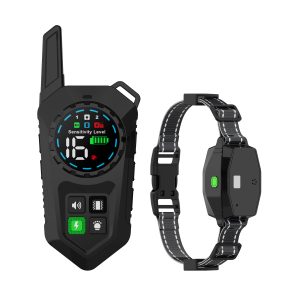
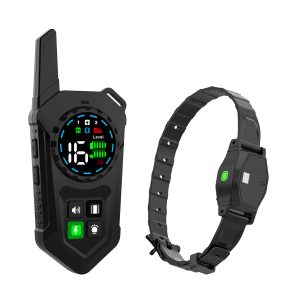
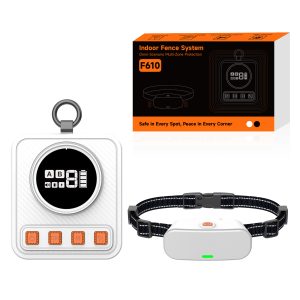
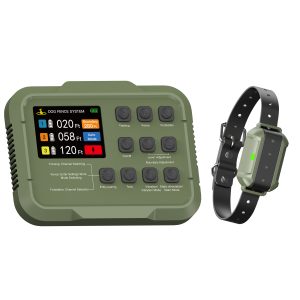
GPS and radar dog fences use different technologies to determine location and detect boundaries, making them suitable for different pet containment scenarios. For pet brands, importers, distributors, and retailers, selecting the right product requires considering the usage environment, coverage area, positioning performance, installation method, and target market needs.
1. Key Differences Between GPS and Radar Dog Fences
GPS dog fences use satellite positioning to determine a dog’s location and manage its movement based on a predefined virtual boundary. Some products allow users to set circular or polygonal boundaries through a mobile app, making them suitable for yards, farms, and larger outdoor spaces.
Radar dog fences use radar technology to detect the distance between the pet and the device, triggering warnings or corrections based on a preset range. Their suitability depends on the product design, and they are ideal for scenarios requiring flexible adjustment of the pet’s activity radius.
2. Key Comparison
| Comparison Factor | GPS Dog Fence | Radar Dog Fence |
| Core Technology | Satellite positioning | Radar-based distance detection |
| Boundary Setup | Depends on the product; some support custom map-based boundaries | Typically sets a distance range around the device |
| Typical Applications | Yards, farms, and open spaces | Home yards and suitable outdoor areas |
| Installation | Typically requires no buried wires | Typically requires no buried wires |
| Key Selection Factors | Positioning performance, boundary setup, and environmental adaptability | Detection stability, adjustable range, and environmental adaptability |
Specific features and performance vary by product and should be verified against the manufacturer’s specifications.
3. What Should B2B Buyers Consider?
When evaluating products, buyers should focus on the following factors:
Target Market: Determine whether local customers mainly use pet containment systems in yards, farms, or other outdoor environments.
Usage Requirements: Identify whether customers need map-based boundary drawing or an adjustable activity radius centered on the device.
Product Performance: Evaluate positioning or distance detection performance, boundary stability, and suitability for different environments.
Cost and After-Sales Support: Compare purchase costs, installation requirements, maintenance needs, and after-sales service.
4. How to Choose the Right Product
GPS dog fences are generally more suitable for customers who prioritize customizable virtual boundaries and containment across larger outdoor spaces. Radar dog fences are more suitable for customers who prioritize distance detection and flexible adjustment of the activity radius.
For pet brands, distributors, and retailers, understanding customers’ actual usage scenarios is more important than comparing technology names alone. Offering different types of products can help businesses address a wider range of market needs.
About Wellturn
Wellturn specializes in pet containment systems and smart pet electronics, providing OEM/ODM services to global pet brands, distributors, and retailers. We support product development tailored to the needs of different target markets.
For product recommendations or OEM/ODM partnership inquiries, please fill out the inquiry form below. Our team will be happy to discuss your business needs and help you find the right solutions.