Effective Ways to Manage Indoor Bark Control: A Comprehensive Guide
Are you struggling with incessant barking from your four-legged friend indoors? While bark control is commonly associated with outdoor spaces, indoor bark control is equally important for maintaining peace and quiet within your home. In this comprehensive guide, we will explore various effective methods to manage indoor bark control and create a harmonious environment for both you and your furry companion.
1. Understanding the Root Cause of Indoor Barking
Before implementing any bark control strategies, it is essential to understand why your dog is barking excessively indoors. Is it due to separation anxiety, boredom, territorial behavior, or a response to external stimuli? Identifying the root cause will help tailor your approach to effectively address the issue.
2. Positive Reinforcement Training
Utilizing positive reinforcement techniques can be highly effective in reducing indoor barking. Reward your dog for remaining calm and quiet, gradually increasing the duration of silence before offering treats or praise. Consistent training sessions can help instill good behavior patterns.
3. Environmental Enrichment
Providing your dog with sufficient mental and physical stimulation can prevent boredom-induced barking. Interactive toys, puzzle feeders, and regular exercise can help keep your furry friend entertained and engaged, reducing the urge to bark out of frustration.
4. Utilize Indoor Bark Control Devices
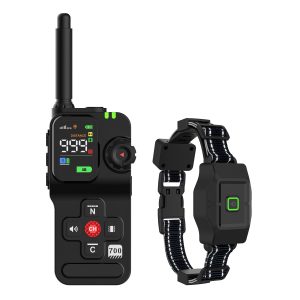
There are various indoor bark control devices available, such as ultrasonic bark deterrents, citronella sprays, and vibration collars. These devices emit signals or stimuli in response to barking, helping to condition your dog to associate barking with unpleasant consequences.
5. Establish a Routine
Creating a consistent daily routine for your dog can promote a sense of security and stability, reducing anxiety-induced barking. Regular feeding times, exercise sessions, and designated quiet times can help establish predictable patterns for your furry friend.
6. Seek Professional Assistance
If indoor barking persists despite your best efforts, consider seeking guidance from a professional dog trainer or behaviorist. They can provide expert insights and personalized strategies to address your dog’s specific barking issues.
By implementing a combination of these strategies and understanding your dog’s individual needs, you can effectively manage indoor bark control and create a peaceful living environment for both you and your beloved pet.