The Ultimate Guide to Controlling Your Dog’s Indoor Barking
Indoor barking can be a nuisance for both you and your furry friend. Tired of constant barking disrupting your peace? Whether you live in an apartment or a house, dealing with excessive barking can be stressful. But fret not, there are solutions to tackle this behavior effectively.
Understanding the Root Cause
Before delving into solutions, it’s crucial to understand why your dog is barking indoors. Dogs may bark due to boredom, loneliness, fear, or territorial instincts. Identifying the trigger will help you choose the most suitable bark control method.
Positive Reinforcement Techniques
One effective way to curb indoor barking is through positive reinforcement. Reward your dog when they remain quiet and gradually reduce barking instances. This method works well for mild barkers and builds a positive bond between you and your pet.
Utilizing Technology
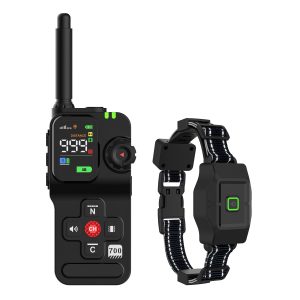
Technology offers innovative solutions for indoor bark control. Consider ultrasonic devices that emit high-frequency sounds only audible to dogs, deterring them from barking. These devices are safe and non-invasive, providing a gentle approach to training.
Interactive Toys and Puzzles
Boredom is a common cause of incessant barking. Keep your dog engaged with interactive toys and puzzles designed to stimulate their mind and eliminate excess energy. A mentally stimulated dog is less likely to bark excessively.
Training and Consistency
Consistent training is key to achieving long-term success in controlling indoor barking. Set clear boundaries and rules for your dog, and ensure everyone in the household follows them. Consistency is crucial for reinforcing desired behaviors.
Seeking Professional Help
If indoor barking persists despite your efforts, don’t hesitate to seek guidance from a professional dog trainer or behaviorist. They can assess the situation and offer tailored solutions to address the root cause of the barking behavior.
Conclusion
Controlling your dog’s indoor barking requires patience, understanding, and consistent training. By identifying the triggers, exploring various solutions, and maintaining a positive approach, you can effectively manage and reduce excessive barking behavior. Remember, every dog is unique, so be open to trying different methods until you find what works best for your furry companion.