Controlling Stubborn Barking: A Comprehensive Guide
Understanding Stubborn Barking: Stubborn barking in dogs can be challenging to tackle, but with the right approach, you can effectively manage this behavior. Dogs bark for various reasons, including boredom, fear, or territorial instincts. Identifying the root cause of your dog’s barking is crucial in implementing an appropriate solution.
Training Techniques: Positive reinforcement training methods can be highly effective in controlling stubborn barking. Rewarding your dog for quiet behavior and redirecting their focus can help modify this behavior over time. Consistency and patience are key when training your dog to bark less frequently.
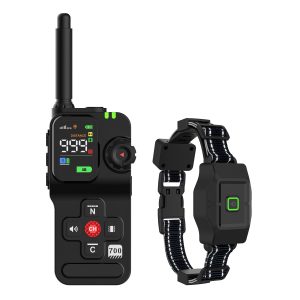
Utilizing Tools: There are several devices available on the market to assist in controlling stubborn barking. From ultrasonic bark collars to training clickers, these tools can aid in training your dog to bark less frequently. However, it’s essential to use these tools responsibly and in conjunction with positive reinforcement techniques.
Exercise and Mental Stimulation: Ensuring your dog receives an adequate amount of physical exercise and mental stimulation can significantly reduce excessive barking. A tired and mentally stimulated dog is less likely to engage in incessant barking behaviors.
Seeking Professional Help: In some cases, stubborn barking may require the assistance of a professional dog trainer or behaviorist. These experts can assess your dog’s behavior and provide tailored solutions to address the barking problem effectively.
Conclusion: Controlling stubborn barking in dogs requires patience, consistency, and understanding. By implementing positive reinforcement training techniques, utilizing appropriate tools, providing ample exercise, and seeking professional help when needed, you can effectively manage your dog’s barking behavior.