The Benefits and Drawbacks of Collar Bark Control: A Comprehensive Guide
Collar bark control, a controversial topic among dog owners and trainers alike, has stirred up debates on both its efficiency and ethical implications. While proponents argue that it is a useful tool in training canines to limit their vocalizations, opponents claim that it can be detrimental to a dog’s well-being.
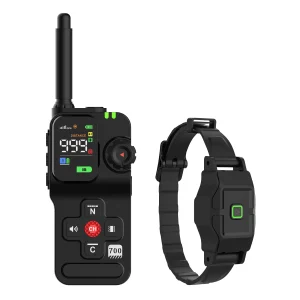
One school of thought emphasizes the positive outcomes of collar bark control devices. These advocates maintain that these tools can be instrumental in addressing excessive barking behavior, leading to improved relationships between pets and their owners. The technology embedded in such collars, often utilizing sound, vibration, or mild static correction, aims to interrupt barking patterns and encourage more desirable behavior.
On the contrary, critics of collar bark control devices highlight potential negative consequences. They raise concerns about the psychological impact of associating barking with discomfort and stress, influencing a dog’s mental health and overall happiness. Additionally, there are worries about the possibility of unintended consequences, such as the suppression of natural animal behaviors.
Considering these contrasting views, it is essential for dog owners to weigh the pros and cons before deciding to use collar bark control methods. Alternatives such as positive reinforcement training and addressing the root cause of excessive barking should also be explored to ensure a holistic approach to behavior modification.
In conclusion, the debate on collar bark control remains a complex issue that demands careful consideration and informed decision-making. Understanding the nuances of this contentious topic can empower dog owners to make choices that prioritize their pets’ well-being and strengthen the bond between humans and canines.