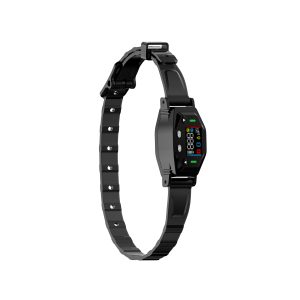
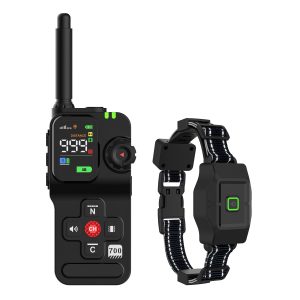
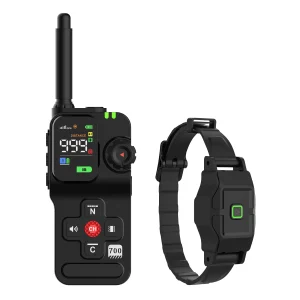
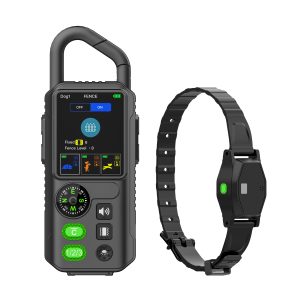
Bark Control Collar: A Comprehensive Guide to Effective Bark Solutions
Do you have a dog whose barking is starting to wear on your nerves? Excessive barking can be a nuisance, not just for you but for your neighbors as well. In this blog post, we will explore the use of bark control collars as a solution to this common problem.
Understanding Bark Control Collars
Bark control collars are devices designed to discourage excessive barking in dogs. They work by either emitting a sound, vibration, or mild static correction when the dog barks, teaching them that barking leads to an unpleasant sensation. While some may view these collars as controversial, when used correctly and as a last resort, they can be an effective tool in training your dog to bark less.
Types of Bark Control Collars
There are different types of bark control collars available on the market, including:
- Sonic Collars: Emit a high-pitched sound that is unpleasant to dogs.
- Vibration Collars: Administer a vibration to distract the dog from barking.
- Static Correction Collars: Deliver a mild static shock when the dog barks excessively.
How to Properly Use a Bark Control Collar
Before using a bark control collar, it is essential to consult with a professional dog trainer or veterinarian to ensure it is the right choice for your dog. When using a bark control collar, remember the following tips:
- Introduce the collar gradually, allowing your dog to get used to wearing it.
- Always follow the manufacturer’s instructions for proper fit and usage.
- Use positive reinforcement alongside the collar to encourage good behavior.
Effectiveness and Considerations
While bark control collars can be effective in reducing excessive barking, they are not a one-size-fits-all solution. Factors such as the dog’s breed, temperament, and the reason for barking should be taken into account. Additionally, it is crucial to avoid using bark control collars as a substitute for training and socialization.
Final Thoughts
When used responsibly and as part of a comprehensive training plan, bark control collars can help address excessive barking in dogs. However, they should not be seen as a standalone solution. Remember to prioritize positive reinforcement, regular exercise, and mental stimulation to ensure your dog’s overall well-being.