
ODM Custom Pet Product Development
When ODM Is the Right Fit
New Product Concept
Structural or Industrial Design Change
Hardware or Electronic Modification
* Every requested change is subject to technical, safety, cost, testing, and production feasibility review.
How Wellturn Supports ODM Development
1 Target User and Use Environment: Lorem ipsum dolor sit amet, consectetur adipiscing elit. Ut elit tellus, luctus nec ullamcorper mattis, pulvinar dapibus leo.
2 Required Product Functions: List the functions the product must provide and separate essential requirements from optional features. Expected control methods, operating behavior, and performance priorities should be included where possible.
3 Reference Product or Concept: Provide available sketches, photos, product references, concept descriptions, or existing samples. These materials help communicate the intended direction but do not replace technical feasibility review.
4 Target Market and Sales Channel: Specify the target countries and planned sales channels, such as e-commerce, retail chains, distribution, or private-label supply. These details may affect labeling, documentation, packaging, language, and certification review.
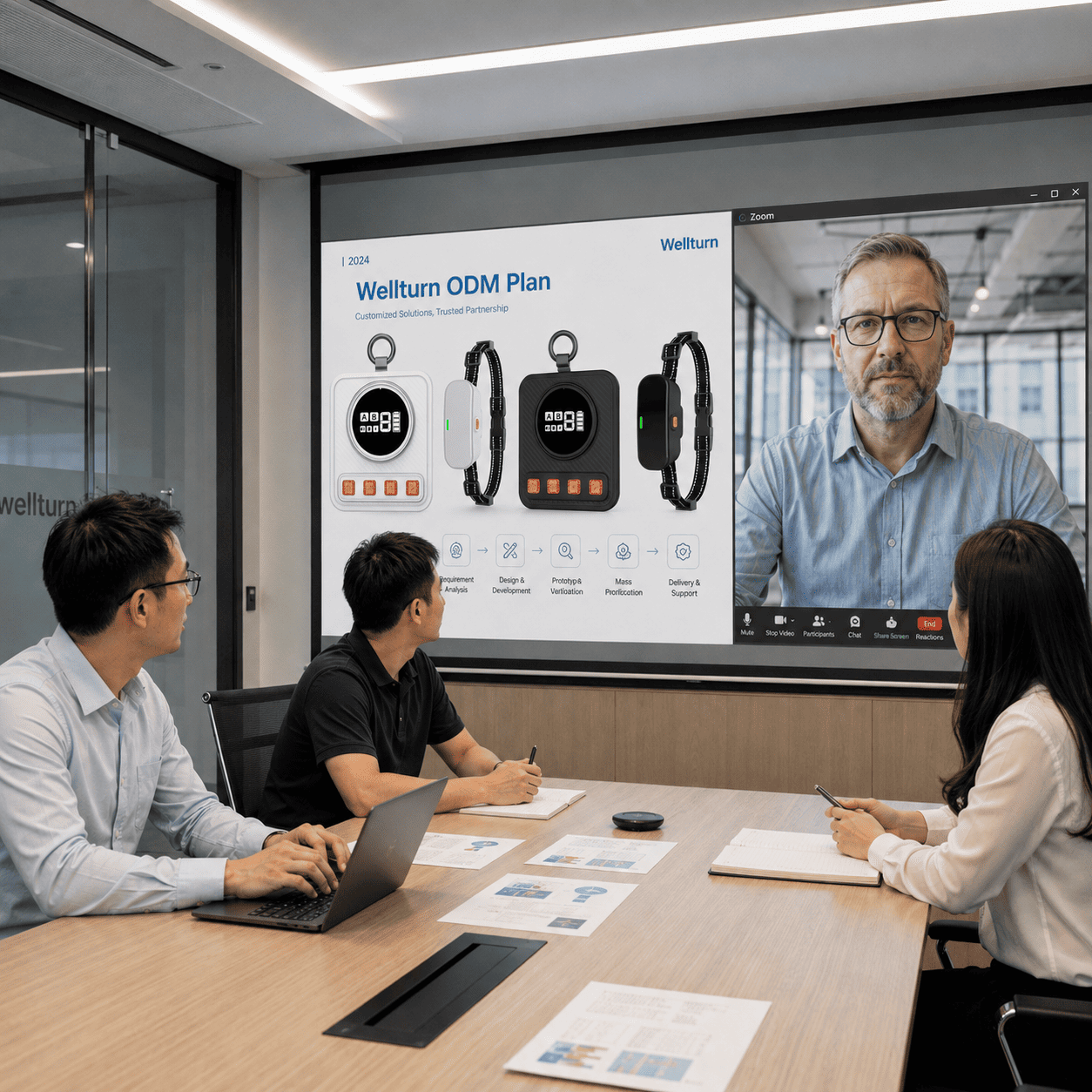
ODM Development Process
What the Buyer Should Prepare
Product Defintion
1 Target User and Use Environment: Describe the intended pet owner, pet type or profile, operating environment, and the problem the product should address. This information helps define the actual use conditions and product requirements.
2 Required Product Functions: List the functions the product must provide and separate essential requirements from optional features. Expected control methods, operating behavior, and performance priorities should be included where possible.
3 Reference Product or Concept: Provide available sketches, photos, product references, concept descriptions, or existing samples. These materials help communicate the intended direction but do not replace technical feasibility review.
4 Target Market and Sales Channel: Specify the target countries and planned sales channels, such as e-commerce, retail chains, distribution, or private-label supply. These details may affect labeling, documentation, packaging, language, and certification review.
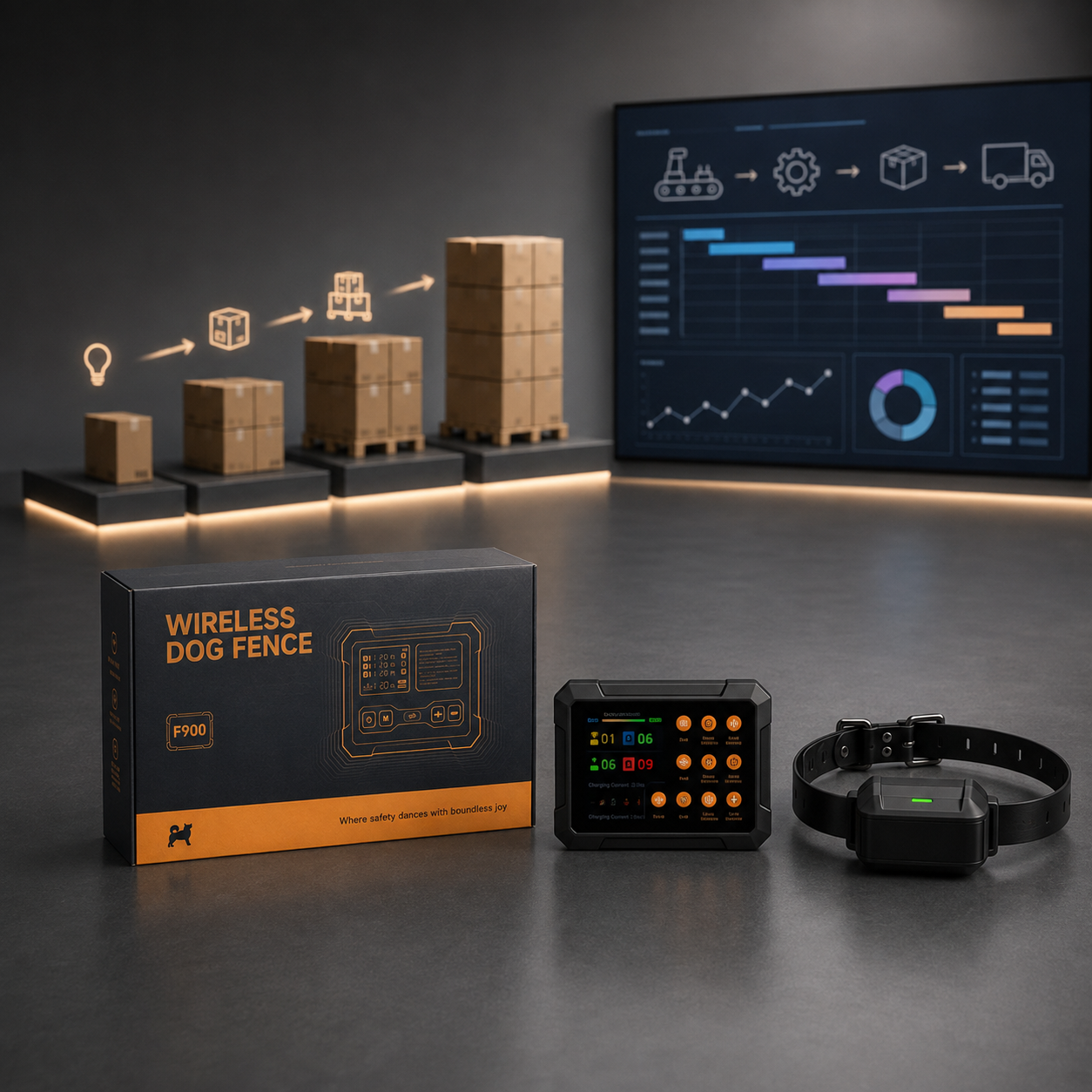
Commercial and Launch Requirements
1 Expected Order Volume: Provide the expected sample, pilot, and mass-production quantities where available. Order volume helps evaluate component planning, tooling, packaging, MOQ, production method, and commercial feasibility.
2 Target Launch Schedule: Share the preferred dates for samples, verification, production, and market launch. The final project schedule is confirmed according to technical complexity, component readiness, testing, and approval requirements.
3 Required Certification or Testing: Identify any known market standards, customer testing requirements, or certification expectations. Wellturn reviews which requirements apply and whether existing documents or additional testing may be needed.
4 Packaging and Brand Requirements: Describe the required logo, product color, color box, manual language, labeling, accessories, and kit configuration. The final customization scope is confirmed according to the product design, manufacturing feasibility, and project terms.
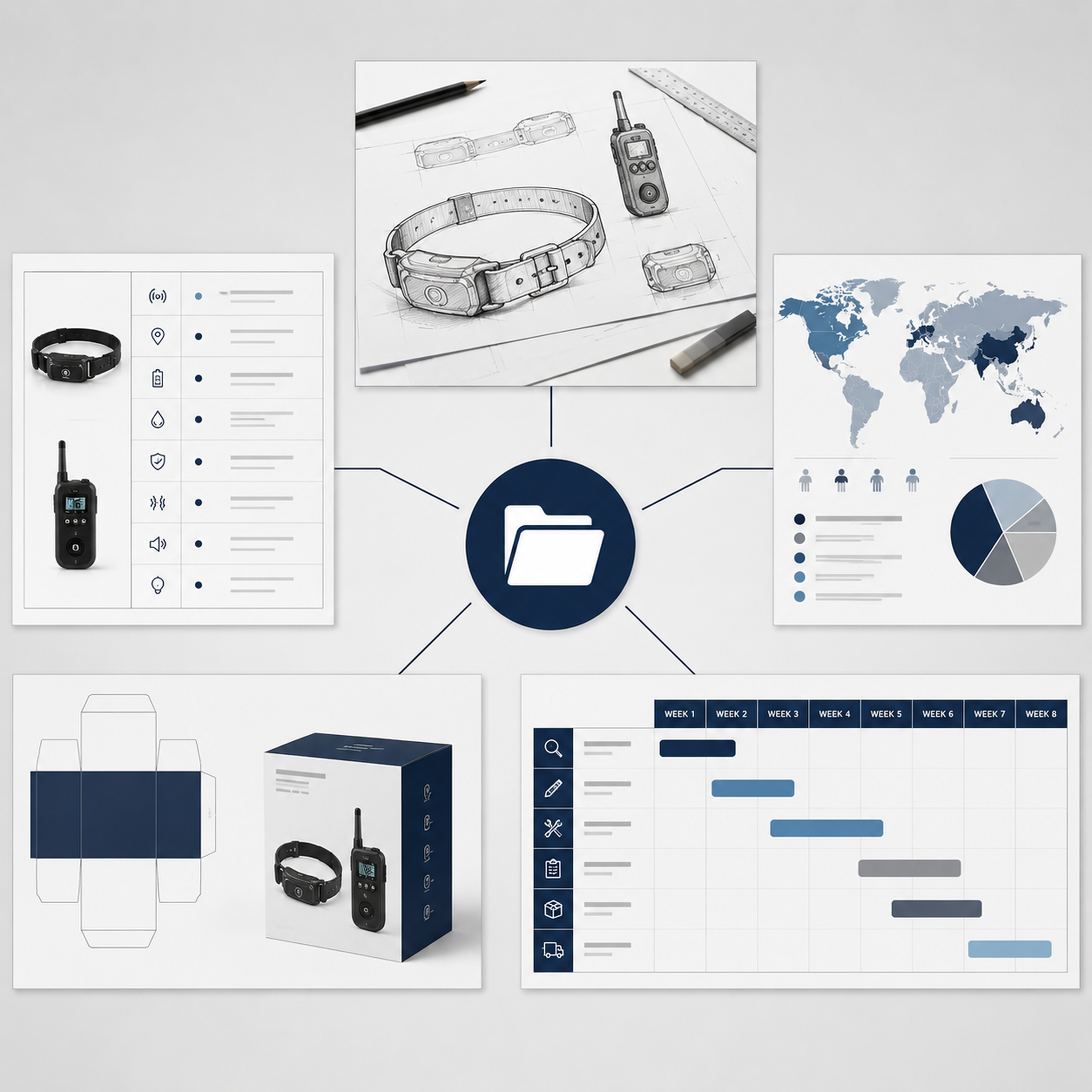
Engineering and Quality Validation
Software, hardware, and structural review
Reliability testing
Functional verification
PCBA functional testing
Process control and finished-product inspection
Final testing and buyer acceptance
Commercial Items to Confirm
01
Development scope
Confirmation basis
Approved requirement document
02
Tooling and engineering cost
Confirmation basis
Structure and technical complexity
03
Sample schedule
Confirmation basis
Prototype scope and component readiness
04
MOQ
Confirmation basis
Product architecture and production requirements
05
Certification plan
Confirmation basis
Target market and applicable model
06
Intellectual property terms
Confirmation basis
Project contract
Buyer FAQ
1.What types of product changes require an ODM project?
ODM is generally required for a new product concept or substantial changes to product structure, electronics, hardware, firmware, interface, function, accessories, or system behavior. The final classification depends on technical complexity, safety, testing, tooling, and production requirements identified during feasibility review.
2.Can Wellturn evaluate structure, hardware, firmware, and function changes?
Yes. Wellturn’s development process includes software, hardware, and structural review, followed by solution design and technical verification. Each requested change is evaluated for feasibility, safety, cost, schedule, testing, and mass-production readiness. Evaluation does not mean that every proposed change will be technically or commercially suitable.
3.What information is required for a feasibility review?
Please provide the target user, use environment, required functions, reference product or concept, target market, sales channel, estimated quantity, launch schedule, packaging needs, and required certification or testing. Drawings, product references, and expected performance details are also helpful when available.
4.How are prototypes and development stages approved?
The project proposal or contract defines the development scope, deliverables, schedule, and acceptance requirements. Depending on the project, reviews may include prototype evaluation and EVT, DVT, or PVT verification. The buyer and Wellturn confirm required changes and acceptance results before the project proceeds to the next agreed stage.
5.How are testing and certification requirements determined?
Testing and certification requirements are determined by the product design, function, components, target market, intended use, and applicable safety or transportation requirements. Existing documents are reviewed first. Any additional reliability testing, functional verification, or external certification is defined within the approved project scope.
6.When can an ODM project move into mass production?
An ODM project can move into mass production after the agreed design and specifications are finalized, required verification and acceptance activities are completed, and the production plan and commercial terms are confirmed. Any unresolved safety, function, quality, component, or documentation issue must be addressed before production approval.