Unveiling the Mystery: How Bark Control Devices Actually Work
For many dog owners, the incessant barking of their furry companions can be a nuisance. While barking is a natural form of communication for dogs, excessive barking can become a problem both for the dog owner and their neighbors. This is where bark control devices come into play.
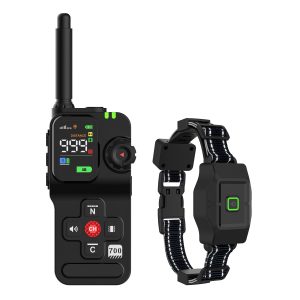
There are various types of bark control devices available in the market, each working in different ways to curb excessive barking. Ultrasonic devices emit a high-pitched sound that is unpleasant to dogs, while vibration collars provide a gentle vibration when the dog barks excessively. Some devices use citronella spray to discourage barking, as dogs generally dislike the smell.
Regardless of the type of bark control device, the ultimate goal is to train the dog to associate barking with an unpleasant consequence. Consistency and proper use of these devices are key to effectively reducing unwanted barking behavior.
The Science Behind Bark Control Devices
Bark control devices rely on the principles of behavior modification to discourage dogs from barking excessively. Dogs are intelligent creatures and are capable of learning through conditioning. When a dog associates barking with an unpleasant consequence, they are more likely to refrain from barking unnecessarily.
Ultrasonic bark control devices work by emitting a high-frequency sound that is audible to dogs but not to humans. This sound is irritating to dogs and interrupts their barking behavior. Over time, the dog learns that barking results in an unpleasant noise, leading them to bark less frequently.
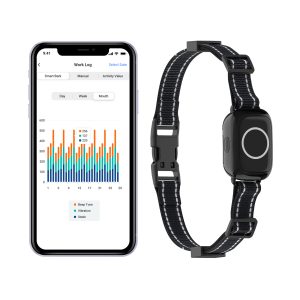
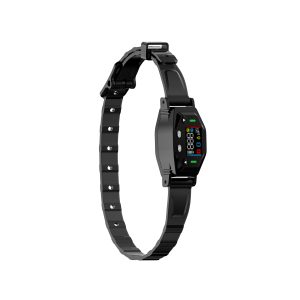
Vibration collars are another popular type of bark control device. These collars deliver a mild vibration to the dog’s neck when they bark excessively. The vibration is not harmful but is enough to distract the dog and discourage further barking. With consistent use, dogs learn to associate barking with the vibration, thus reducing their barking behavior.
Choosing the Right Bark Control Device
When selecting a bark control device for your dog, it is essential to consider your dog’s temperament and barking habits. Not all dogs respond the same way to bark control devices, so it may require some trial and error to find the most effective solution for your furry friend.
It is crucial to choose a bark control device that is safe and humane for your dog. Avoid devices that cause pain or distress, as they can have adverse effects on your dog’s well-being. Look for devices that provide consistent and reliable results without causing harm to your pet.
Training with Bark Control Devices
While bark control devices can be effective tools in reducing excessive barking, they are most successful when used in conjunction with positive reinforcement training. Rewarding your dog for good behavior and providing ample exercise and mental stimulation can help address the root cause of excessive barking.
Consistency is key when using bark control devices. Make sure to follow the manufacturer’s instructions and use the device as recommended. With patience and dedication, you can help your dog develop better barking habits and create a peaceful environment for both you and your neighbors.