Exploring the Effectiveness of Wireless Dog Fences During Winter
As the chilly winter months approach, pet owners often wonder about the functionality of their wireless dog fences in snow and ice. Are these modern pet containment systems reliable in frosty conditions?
Firstly, wireless dog fences rely on radio signals to create a boundary for your furry friend. Winter weather, especially heavy snowfall, can interfere with these signals, potentially impacting the effectiveness of the fence. However, advancements in technology have made modern wireless systems more robust and resistant to environmental factors.
When considering purchasing a wireless dog fence for winter use, it’s crucial to…
Are you curious about a wireless dog fence’s performance during winter? Keep reading to discover essential tips and information to keep your pet safe and secure, even in the frostiest conditions!
Understanding How Wireless Dog Fences Operate
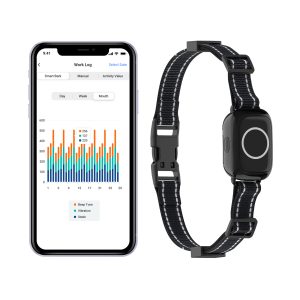
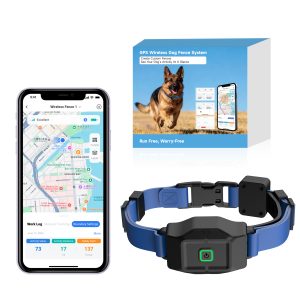
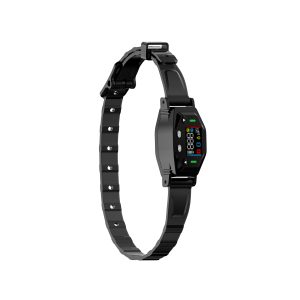
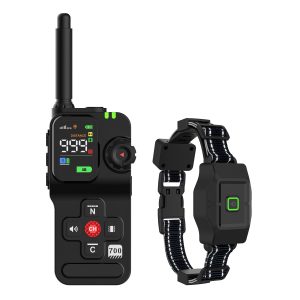
Wireless dog fences consist of two main components: a transmitter and a receiver. The transmitter emits a radio signal that creates an invisible boundary around your property. The receiver, attached to your dog’s collar, detects the signal and delivers a mild static correction if your pet attempts to cross the boundary.
During winter, factors such as frost, snow, and ice can impact the transmission range of the fence. Thick layers of snow can absorb radio signals, leading to signal loss and potential loopholes in your pet’s containment area. To mitigate these challenges…
Winterizing Your Wireless Dog Fence
Before the winter season sets in, it’s essential to prepare your wireless dog fence to ensure optimal performance. Here are some winterization tips to help your fence function effectively even in cold weather:
- Clear the boundary area from snow: Regularly remove snow buildup around the perimeter to prevent signal interference.
- Check the batteries: Cold temperatures can drain batteries faster. Ensure your transmitter and receiver batteries are fully charged and consider using cold-weather batteries for better performance.
- Adjust the signal strength: Some wireless dog fences allow you to adjust the signal range. In winter, you may need to increase the signal strength to account for signal loss due to snow and frost.
- Monitor your dog’s behavior: Cold weather may affect your pet’s willingness to stay within the containment zone. Keep a close eye on your dog’s behavior, especially during the initial days of winter.
By following these winterization tips, you can help your wireless dog fence maintain its effectiveness and keep your furry companion safe and secure throughout the winter season.
Conclusion
As winter approaches, ensuring your wireless dog fence is ready for the cold weather is crucial for keeping your pet safe. By understanding how these fences operate and implementing winterization tips, you can enhance the performance of your pet containment system even during the frostiest months of the year.